Blog Article
The Artistry & Heritage of Classical Maldivian Paper Banknotes
Discover the exquisite Maldives paper currency design and historical MVR artistry of vintage banknotes. A must-read for any collectible paper banknotes enthusiast or Maldivian Rufiyaa collector.
The Artistry & Heritage of Classical Maldivian Paper Banknotes
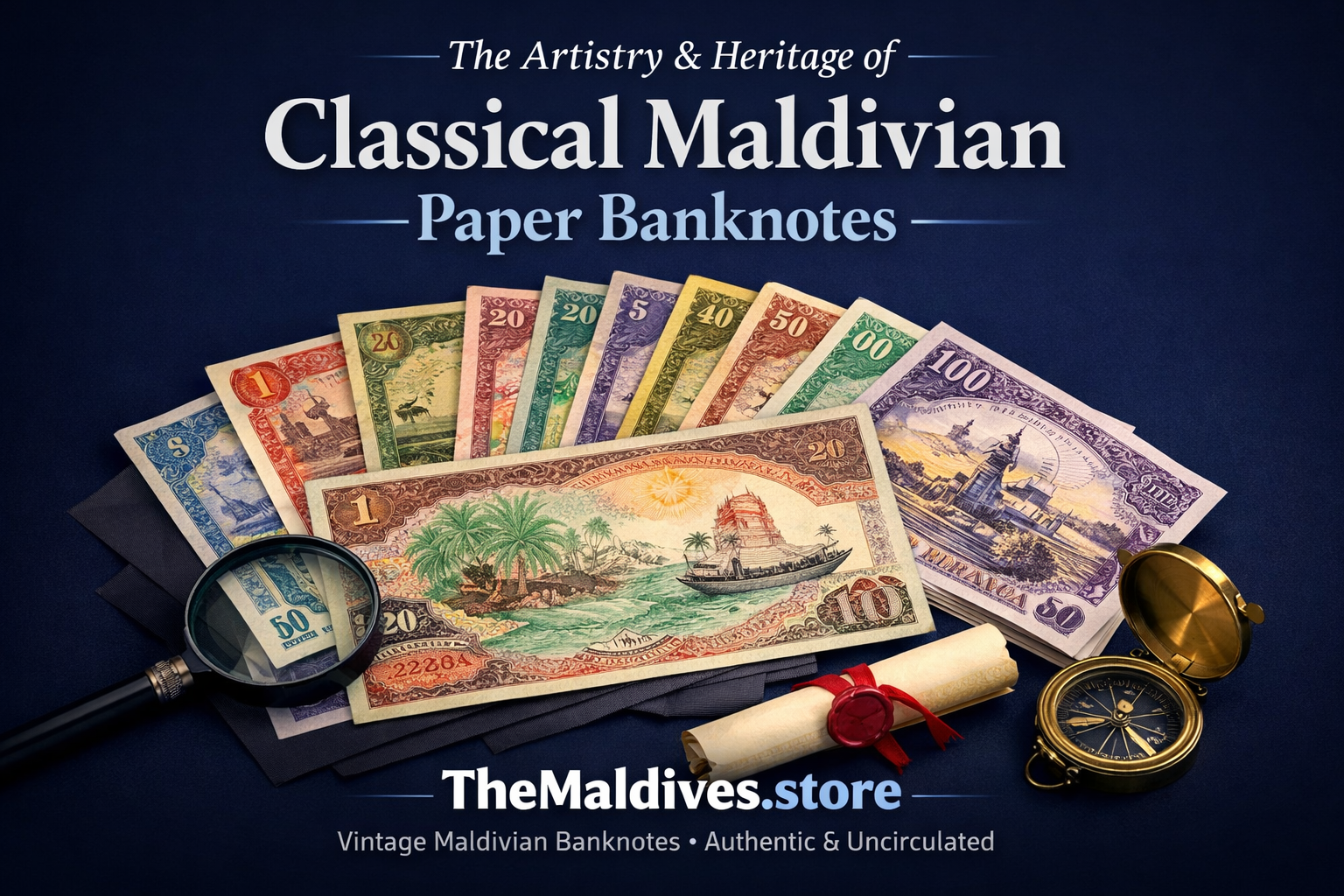
For a dedicated Maldivian Rufiyaa collector, the allure of currency extends far beyond its monetary value. It encompasses a nation's history, its cultural identity, and the intricate craftsmanship embedded within each note. Among the various forms of Maldivian currency, the classical paper banknotes, particularly those issued between 1983 and 2000, stand out as true masterpieces of design and historical significance. These notes offer a unique window into the archipelago's past, showcasing a period of remarkable artistic expression that shaped its monetary heritage.
This article delves into the captivating world of classical Maldivian paper currency, exploring the profound historical MVR artistry that defines these vintage notes. We will uncover the visual narratives woven into their designs, understand why they are considered indispensable collectible paper banknotes, and appreciate the legacy they continue to uphold for numismatists and cultural enthusiasts alike. Prepare to embark on a journey through time, where each banknote tells a vibrant story of the Maldives.
Exploring the Visual Language of Vintage MVR
The classical Maldivian paper banknotes from the 1983-2000 era are renowned for their rich and evocative visual language. Unlike many modern currencies that prioritize security features and minimalism, these older notes embraced elaborate designs that spoke volumes about Maldivian life and values. Each denomination was a canvas, meticulously crafted to represent a different facet of the island nation's identity.
From traditional fishing dhonis gracefully sailing across turquoise waters to intricate patterns inspired by local crafts, the Maldives paper currency design of this period is a testament to the nation's cultural pride. The imagery selected was not arbitrary; it served as a visual chronicle, depicting daily life, significant historical landmarks, and the natural beauty that defines the Maldives. These designs often featured local flora and fauna, traditional architecture, and scenes of community life, all rendered with an attention to detail that transformed each note into a miniature work of art. Understanding this visual language allows collectors to not only appreciate the aesthetic appeal but also to connect more deeply with the stories these historical artifacts carry. To truly grasp the evolution of Maldivian currency, it's beneficial to explore the broader context of these notes. You can learn more about this specific series by visiting our detailed article: Journey Through Time: Classical Maldivian Paper Currency (1983-2000).
The Cultural Narratives Embedded in Each Design
Beyond mere aesthetics, each classical Maldivian paper banknote tells a compelling cultural narrative. These notes served as a portable museum, carrying tales of the nation's past and present in the hands of its people. The themes depicted on these banknotes often highlighted key aspects of Maldivian society, economy, and heritage.
Consider the common motifs:
- Fishing: As a nation deeply intertwined with the ocean, fishing dhonis, tuna, and scenes of fishermen at work were frequently featured, symbolizing the backbone of the Maldivian economy and way of life.
- Traditional Crafts: Images of coir rope making, mat weaving, and lacquer work showcased the islanders' skill and resourcefulness, preserving knowledge of ancient crafts.
- Historical Architecture: Iconic structures like the Grand Friday Mosque (Masjid-al-Sultan Mohamed Thakurufaanu Al Auzam) or traditional houses provided a glimpse into the architectural heritage and religious devotion of the Maldivian people.
- Local Flora and Fauna: The vibrant marine life, coconut palms, and other indigenous plants celebrated the Maldives' unique biodiversity, emphasizing the harmony between nature and island existence.
These designs were carefully chosen to evoke a sense of national identity and pride, making each note a miniature cultural ambassador. They offer a tangible connection to the past, allowing a Maldivian Rufiyaa collector to hold a piece of history in their hands. This deliberate incorporation of cultural elements elevates these banknotes from simple currency to invaluable historical documents, preserving traditions and stories that might otherwise fade.
Unraveling the Artistry: From Engraving to Print
The creation of classical paper banknotes was a sophisticated art form, demanding precision and artistic flair. The historical MVR artistry evident in these notes stems from complex processes, primarily engraving and high-quality printing, which contribute significantly to their collectible value. Unlike the digital designs of modern currency, the production of these paper notes involved skilled artisans and master engravers.
Each line, shade, and intricate detail on a banknote was painstakingly engraved onto metal plates. This meticulous handcraft ensured both the artistic quality and the security of the currency. The choice of colors, often vibrant and layered, played a crucial role in enhancing the visual appeal and distinguishing different denominations. The printing process itself involved multiple passes, each applying a different color or security feature, building up the final, rich image. This layering created a depth and texture that polymer notes, despite their durability, often cannot replicate. The interplay of light and shadow on the engraved lines gives these classical notes a unique tactile and visual experience. This dedication to craft means that collecting these vintage Maldivian banknotes is not just about accumulating currency; it's about appreciating a lost art form and the human ingenuity that went into every single note.
Why Classical Paper Notes are a Numismatic Treasure
For numismatists and collectors worldwide, classical Maldivian paper banknotes are far more than just old money; they are genuine numismatic treasures. Their value transcends their face value, rooted deeply in their historical significance, artistic merit, and relative rarity. These notes offer a tangible link to a specific period in Maldivian history, capturing cultural nuances that modern currency, by design, often simplifies.
Several factors contribute to their status as highly collectible paper banknotes:
- Historical Significance: Each series reflects the economic, social, and political climate of its time, making them invaluable for historical research and cultural preservation.
- Artistic Detail: The elaborate designs, intricate engravings, and vibrant color palettes showcase a level of artistic dedication that appeals to art collectors as much as currency enthusiasts.
- Rarity and Condition: As paper currency, these notes are susceptible to wear and tear. Finding them in uncirculated or near-perfect condition significantly increases their rarity and market value. The older the note, especially from early series, the harder it is to find in pristine condition.
- Cultural Representation: They serve as miniature cultural artifacts, providing insights into Maldivian identity, traditions, and the daily lives of its people during the late 20th century.
The combination of these elements makes classical Maldivian paper banknotes highly sought after by a diverse range of collectors, from those focused on Southeast Asian currencies to global numismatists seeking unique and artistically rich examples. For collectors looking for authenticated vintage Maldivian currency, TheMaldives.store offers a curated selection. You can Discover Authentic Maldivian Currency Notes & Collectibles that bring history to life.
Preserving a Legacy: Caring for Your Maldivian Paper Collectibles
Acquiring classical Maldivian paper banknotes is just the first step; preserving their beauty and value requires diligent care. As fragile historical artifacts, these collectible paper banknotes demand specific handling and storage to maintain their condition for future generations. Proper care not only protects your investment but also ensures that the historical MVR artistry remains vibrant and intact.
Here are essential tips for preserving your paper currency:
- Handle with Care: Always hold banknotes by their edges, preferably with clean, dry hands or cotton gloves. Oils and dirt from fingers can degrade the paper and ink over time.
- Store Properly: Banknotes should be stored flat in archival-safe holders. Options include Mylar sleeves, rigid currency holders, or albums with acid-free pages. Avoid PVC (polyvinyl chloride) holders, as they can damage notes over time due to chemical reactions.
- Control Environment: Keep your collection in a stable environment, away from direct sunlight, extreme temperatures, and high humidity. Fluctuations in temperature and humidity can cause paper to warp, discolor, or become brittle.
- Avoid Cleaning: Resist the urge to clean or "restore" old banknotes yourself. This almost always causes damage and can significantly diminish their numismatic value. Professional conservation is a specialized field.
- Educate Yourself: Learn about the specific characteristics and vulnerabilities of paper currency. Understanding the materials and printing methods used can help you identify potential risks.
By following these guidelines, a dedicated Maldivian Rufiyaa collector can ensure their classical paper banknotes remain in pristine condition, continuing to tell their rich stories and serve as cherished pieces of Maldivian heritage for years to come.
Frequently Asked Questions
What makes classical Maldivian paper banknotes valuable?
Classical Maldivian paper banknotes are valuable due to their historical significance, intricate artistry, cultural narratives, and relative rarity, especially when found in uncirculated condition. They serve as tangible links to the nation's past.
Where can I find authentic vintage Maldivian currency?
Authentic vintage Maldivian currency can be found through reputable numismatic dealers, specialized online stores like TheMaldives.store, and established auction houses. Always ensure sellers provide certificates of authenticity or have a strong reputation.
How do I care for my paper banknotes?
To care for paper banknotes, handle them by the edges, store them in archival-safe sleeves or holders, keep them in a stable environment away from direct light and humidity, and never attempt to clean or restore them yourself.
What periods do 'classical' Maldivian banknotes refer to?
In numismatic terms for Maldivian currency, "classical" often refers to the paper banknotes issued from series such as 1983-2000, preceding the introduction of the polymer "Ran Dhiha Faheh" series.
Conclusion
The classical Maldivian paper banknotes are truly a testament to the nation's rich cultural tapestry and artistic ingenuity. From the vivid Maldives paper currency design to the profound historical MVR artistry embedded in each detail, these notes offer far more than just monetary exchange; they are custodians of history, art, and heritage. For the discerning Maldivian Rufiyaa collector, acquiring these vintage pieces is not merely about owning currency, but about preserving a legacy and connecting with the soulful narratives of an island paradise.
Their unique blend of visual storytelling, intricate craftsmanship, and historical context elevates them to the status of highly collectible paper banknotes. As you explore the subtle nuances of each denomination, you'll discover a deeper appreciation for the Maldives and its enduring cultural identity. We invite you to delve into this captivating world and start or expand your own collection. To explore a diverse range of these fascinating historical pieces, visit our curated selection: View All Maldivian Currency Notes.