Blog Article
Unveiling the Durability & Security of Maldivian Polymer Banknotes
Explore the advanced durability and cutting-edge security features of Maldivian polymer banknotes (MVR), essential for collectors and enthusiasts. Learn how these modern notes stand up to time and counterfeiting, and discover uncirculated Maldivian currency for your collection.
Unveiling the Durability & Security of Maldivian Polymer Banknotes
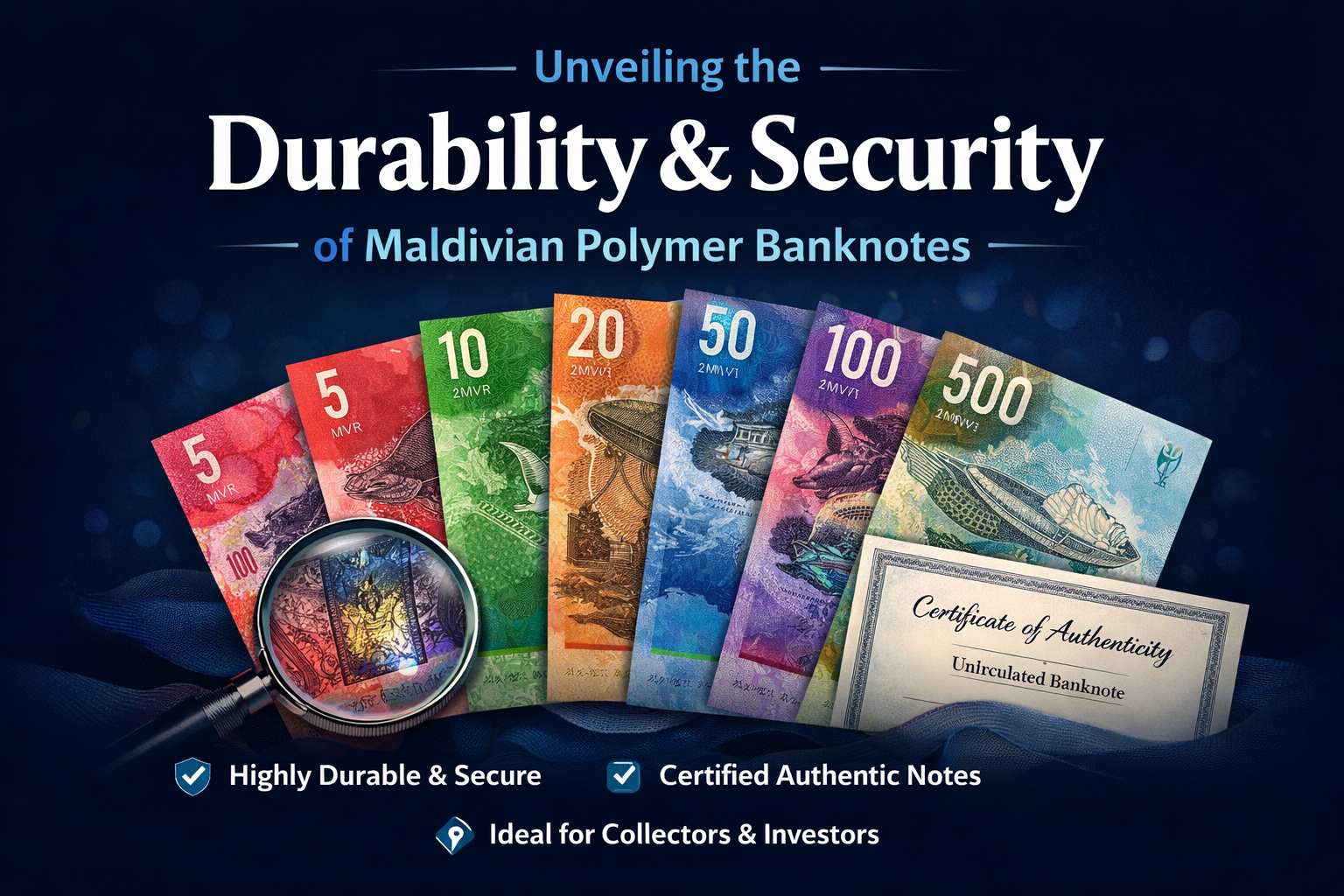
In the world of currency, innovation isn't just about design; it's also about resilience and protection. Maldivian polymer banknotes, specifically the "Ran Dhiha Faheh" series introduced between 2015 and 2017, represent a significant leap forward in this regard. For numismatic collectors, currency enthusiasts, and anyone interested in the Maldives, understanding the advanced characteristics of these notes is key to appreciating their value and longevity.
Unlike traditional paper notes, polymer currency offers a suite of advantages that make it both more robust for daily use and more difficult for counterfeiters to replicate. The decision by the Maldives Monetary Authority to transition to polymer was driven by a desire to enhance the durability of their currency, improve its security, and align with global trends in banknote technology. This move ensures that the Maldivian Rufiyaa (MVR) stands as a modern, reliable, and highly collectible form of money.
This article will delve into what makes these polymer banknotes from the Maldives superior in terms of their physical properties and their state-of-the-art security features. We'll explore the science behind polymer, how these features protect the integrity of the MVR, and provide essential tips for preserving your uncirculated Maldivian currency collection. Whether you're a seasoned collector or a curious newcomer, you'll gain a deeper appreciation for these remarkable pieces of art and engineering.
What Makes Polymer Banknotes Superior?
The shift from paper to polymer for banknotes is not merely a cosmetic change; it's a fundamental upgrade in material science designed to create a more efficient and secure currency. Maldivian polymer banknotes exemplify this advancement, offering significant advantages in durability, longevity, and even environmental impact compared to their paper predecessors.
The Science of Polymer
At the heart of polymer banknotes is biaxially oriented polypropylene (BOPP), a type of plastic film. This material undergoes a specialized manufacturing process that aligns its molecular structure in two directions, making it exceptionally strong, tear-resistant, and flexible. Unlike paper, which is made from cotton or linen fibers, polymer doesn't absorb moisture or dirt, making it far more resilient to the stresses of daily circulation. This inherent strength means polymer notes can withstand bending, folding, and general wear and tear much better than paper.
Real-World Durability in the Maldives
For a nation like the Maldives, with its humid climate and proximity to water, polymer banknotes offer practical benefits that directly impact their lifespan. Paper notes in such environments can quickly degrade, becoming soft, soiled, and torn. Polymer notes, however, are waterproof, meaning they can survive accidental submersion without damage. They are also much harder to tear and are less prone to creasing and crumpling. This enhanced durability significantly extends the life cycle of each banknote, reducing replacement costs for central banks and maintaining a cleaner, more presentable currency in circulation. Collectors, too, benefit from this, as finding and maintaining uncirculated MVR polymer notes is generally easier due to their inherent toughness.
Eco-Friendly Features
Beyond their physical robustness, polymer banknotes also present environmental advantages. Their extended lifespan means fewer notes need to be produced, reducing the consumption of raw materials and energy over time. When polymer notes finally reach the end of their usable life, they can often be recycled and repurposed into other plastic products, further minimizing waste. This contrasts sharply with paper notes, which are typically shredded and sent to landfills. By choosing polymer, the Maldives Monetary Authority has embraced a more sustainable approach to currency management, aligning with global efforts towards environmental responsibility.
State-of-the-Art Security on MVR Polymer Notes
One of the primary drivers for any nation to upgrade its currency material is to enhance security against counterfeiting. Maldivian polymer banknotes, particularly those from the "Ran Dhiha Faheh" series, integrate a sophisticated array of security features that make them incredibly difficult to replicate fraudulently. These features are designed to be easily verifiable by the public, yet challenging for counterfeiters to imitate successfully.
For a deeper dive into the series itself, you can explore The Ran Dhiha Faheh Series: Modern Maldivian Polymer Banknotes.
Transparent Windows: A Clear Sign of Authenticity
Perhaps the most visually striking and effective security feature on Maldivian polymer notes is the transparent window. This clear area, typically present in a distinctive shape, is an integral part of the polymer substrate itself and cannot be added or removed without destroying the note. Within these windows, you'll often find other security elements, such as intricate designs, metallic motifs, or optically variable devices that change appearance when tilted. These clear windows are extremely difficult to replicate on paper-based counterfeits, making them an immediate indicator of a note's authenticity.
Holograms and Kinegrams: Dynamic Protection
Maldivian polymer banknotes also incorporate advanced holographic or kinegraphic elements. These are complex, multi-dimensional images that display different colors, patterns, or movements when the note is tilted. Unlike simple reflective foils, these features are created using intricate laser etching technology, making them incredibly hard to copy with standard printing techniques. On MVR notes, these might appear as shifting patterns, images of national symbols, or numerical values that change perspective. They serve as both a public security feature and a layer of protection that even sophisticated counterfeiters struggle to reproduce.
Microprinting & Intaglio: Details That Deter
Look closely at a Maldivian polymer banknote, and you'll find examples of microprinting – text so small it often requires a magnifying glass to read clearly. This tiny text usually spells out the denomination or other security phrases and is often placed within intricate design elements. Its clarity and precision are hallmarks of genuine currency. Complementing this is intaglio printing, a raised printing technique that gives the note a distinctive tactile feel. Running your fingers over certain parts of the note, especially the main portraits or denomination figures, will reveal a slightly raised texture, an effect virtually impossible to achieve with typical printing methods used by counterfeiters.
UV Features: The Hidden Story
Under ultraviolet (UV) light, Maldivian polymer banknotes reveal a whole new layer of hidden security. Invisible to the naked eye, specific areas of the note will fluoresce, displaying patterns, fibers, or text in vibrant colors such as green, red, or yellow. These UV features might include hidden numerical values, intricate background patterns, or security threads that glow brightly. As UV inks and printing processes are specialized and costly, this provides another strong barrier against counterfeiting, allowing authorities and cash handlers to quickly verify a note's authenticity.
Preserving Your Polymer Collection for Generations
For numismatists and collectors of Maldivian Rufiyaa, maintaining the pristine condition of uncirculated polymer banknotes is paramount. While polymer notes are inherently more durable than paper, proper care is still essential to ensure their long-term preservation and protect their value. A well-preserved collection not only looks better but also retains its appeal for future generations of enthusiasts.
Best Practices for Handling
Even though polymer is tough, direct contact with skin can transfer oils and dirt, leading to smudges and discoloration over time. Always handle your Maldivian polymer banknotes by their edges, preferably wearing cotton gloves. Avoid touching the printed areas as much as possible. Refrain from folding, creasing, or rolling the notes, even if the material can withstand it. Repeated stress in the same area can eventually lead to damage. Keep notes away from direct sunlight, extreme heat, or sharp objects that could scratch or puncture the polymer surface.
Ideal Storage Solutions
Choosing the right storage solution is crucial for any currency collection. For Maldivian polymer notes, consider archival-safe materials that are free from PVC (polyvinyl chloride). PVC can degrade over time, releasing chemicals that can damage banknotes, causing them to stick or discolor. Instead, opt for polypropylene, Mylar, or polyester sleeves and folders. These materials are inert and will not react with the notes. Store individual notes in clear, acid-free sleeves, and then place these sleeves into dedicated banknote albums or secure storage boxes. Ensure the storage environment is cool, dry, and stable, away from fluctuations in temperature and humidity.
Displaying Your MVR Notes
If you wish to display your Maldivian polymer notes, do so thoughtfully. Use display frames or albums specifically designed for currency, ensuring they offer UV protection to prevent fading of the ink. Avoid long-term exposure to direct sunlight or strong artificial light, as even UV-protected displays can only slow down the effects of light degradation. For high-value or exceptionally rare notes, consider professional encapsulation by a reputable grading service. This not only authenticates and grades the note but also seals it in a secure, inert, and tamper-proof holder, providing the ultimate protection while allowing for safe display.
The "Ran Dhiha Faheh" Series: A Collector's Dream
The "Ran Dhiha Faheh" (Golden 50) series of Maldivian polymer banknotes represents a significant milestone in the nation's monetary history. Launched to commemorate 50 years of independence, these notes are not only modern in their material but also rich in design and cultural symbolism. For collectors, they offer a fascinating blend of contemporary technology and deep Maldivian heritage, making them highly desirable additions to any numismatic portfolio. You can explore the full range of notes from this series and others at TheMaldives.store.
Design Inspiration & Cultural Significance
Each denomination within the "Ran Dhiha Faheh" series is a miniature canvas celebrating the unique culture, history, and natural beauty of the Maldives. The designs incorporate iconic elements such as traditional Maldivian lacquer work, the intricate patterns of "dhoni" (traditional boats), vibrant marine life, and significant historical figures. The artistry reflects the Maldivian way of life, its deep connection to the ocean, and its rich cultural tapestry. These visual narratives not only make the notes aesthetically pleasing but also serve as educational tools, telling the story of the Maldives with every transaction.
Denominations and Their Stories
The series comprises seven distinct polymer denominations: 5, 10, 20, 50, 100, 500, and 1000 MVR. Each note features unique designs that tell a specific story or highlight an aspect of Maldivian life. For instance, the 10 Rufiyaa note often depicts elements related to traditional Maldivian music and entertainment, while higher denominations might showcase significant landmarks, historical events, or vital economic activities like fishing. Understanding the symbolism behind each note adds immense depth to the collecting experience, transforming currency into cultural artifacts. To learn more about these individual notes, we encourage you to read our detailed article, Discover Authentic Maldivian Currency Notes & Collectibles.
Why Collect This Modern Series?
Collecting the "Ran Dhiha Faheh" series is compelling for several reasons. Firstly, as modern polymer notes, they represent the cutting edge of banknote technology, offering unparalleled durability and security. Secondly, their status as a commemorative series adds intrinsic historical value. Thirdly, their vibrant and culturally rich designs make them standout pieces in any collection. For those interested in expanding their collection to include older notes, remember that Maldivian currency also has a rich history of paper notes, which are distinct in artistry and material. You can explore this historical context further by reading about Journey Through Time: Classical Maldivian Paper Currency (1983-2000).
Frequently Asked Questions (FAQ)
Are Maldivian polymer notes truly uncirculated when sold for collecting?
At TheMaldives.store, we specialize in providing authentic, uncirculated Maldivian currency notes. This means the notes have come directly from the Maldives Monetary Authority or official distributors and have not been used in transactions. They are free from folds, creases, tears, or any signs of wear, making them ideal for collectors seeking pristine condition.
How do I clean polymer banknotes if they get dirty?
While polymer notes are waterproof and generally resistant to dirt, it's best to avoid cleaning them unless absolutely necessary, as even gentle cleaning can reduce their collector value. If a note must be cleaned, use a soft, lint-free cloth lightly dampened with pure water. Gently blot or wipe, do not scrub, and allow to air dry completely. Never use harsh chemicals, solvents, or abrasive materials.
What's the main difference between polymer and paper notes for collectors?
The main difference lies in their material properties and security features. Polymer notes offer superior durability, resistance to water and tearing, and often incorporate more advanced, visible security elements (like transparent windows). Paper notes (cotton/linen blend), while less durable, often possess a different tactile feel and historical significance, with older issues potentially being rarer. Both have their unique appeal to collectors.
Conclusion
The Maldivian polymer banknotes of the "Ran Dhiha Faheh" series are a testament to modern currency innovation, blending advanced security features with remarkable durability. From their robust polymer substrate that resists tears and water to the sophisticated security elements like transparent windows, holograms, microprinting, and UV features, these notes are engineered to last and to deter counterfeiting effectively. This makes them not only a reliable medium for transactions but also a highly valuable and secure asset for collectors.
For numismatists and enthusiasts alike, understanding these features enhances the appreciation of each note's design and technological prowess. Proper handling and storage are crucial to maintaining the pristine, uncirculated condition of these beautiful pieces, ensuring they remain a cherished part of your collection for years to come.
If you're looking to acquire these contemporary treasures, explore the authentic, uncirculated Maldivian polymer banknotes available at TheMaldives.store. Enhance your collection with these durable, secure, and culturally rich pieces of Maldivian history. Browse our full range of currency notes and collections today!